
show content
2025/02/05
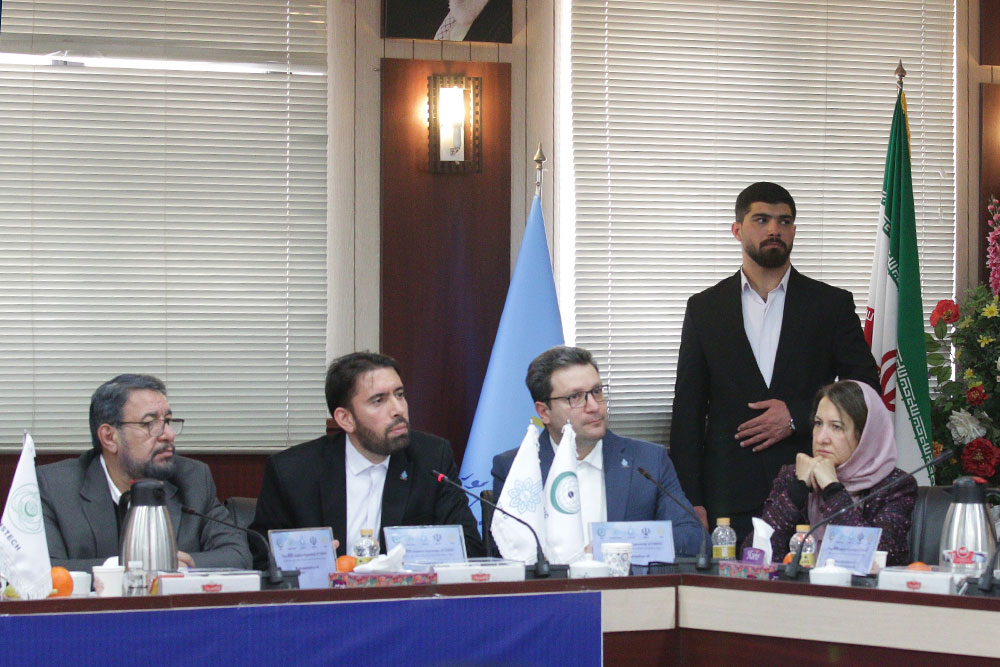
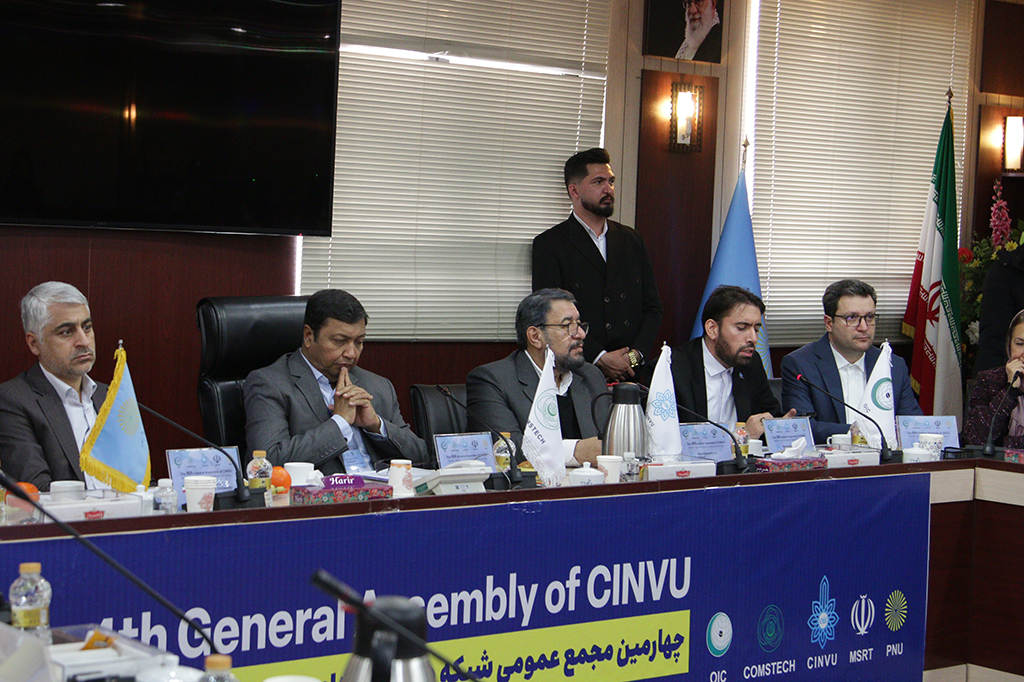
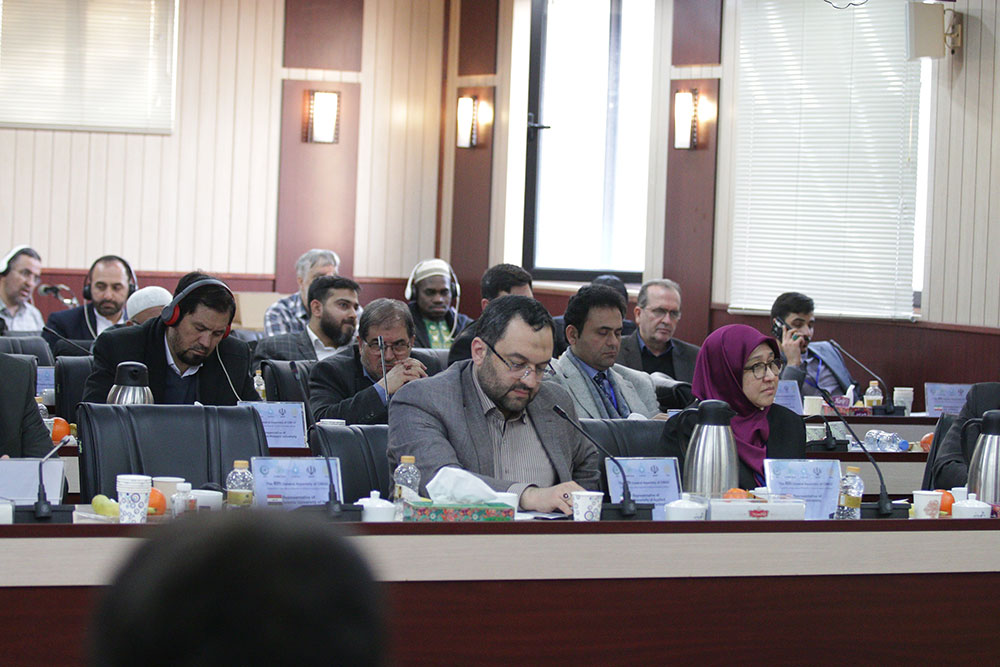
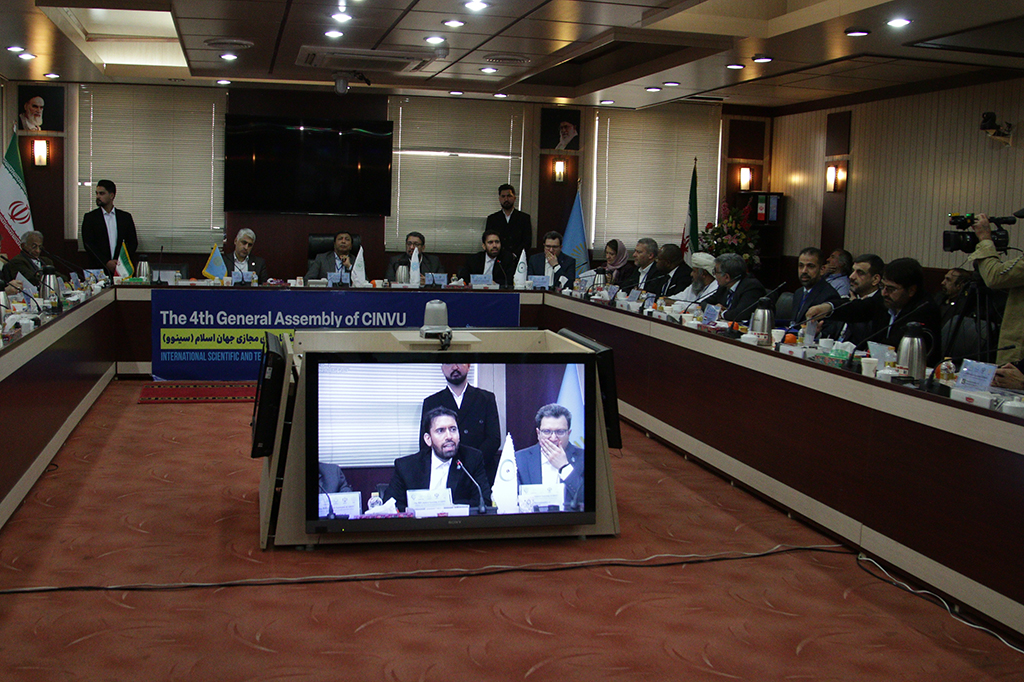
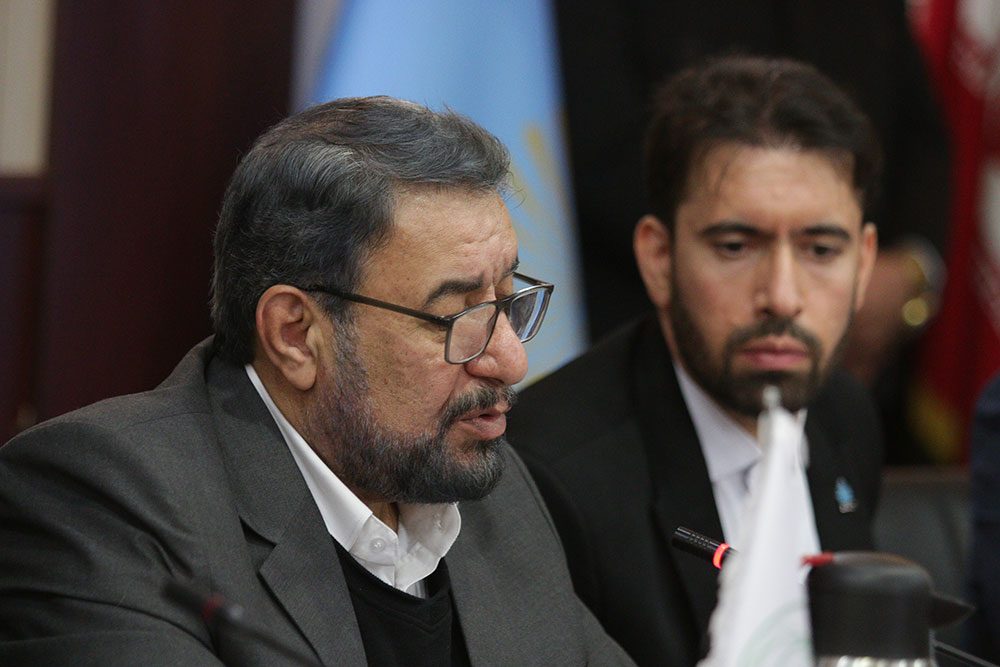
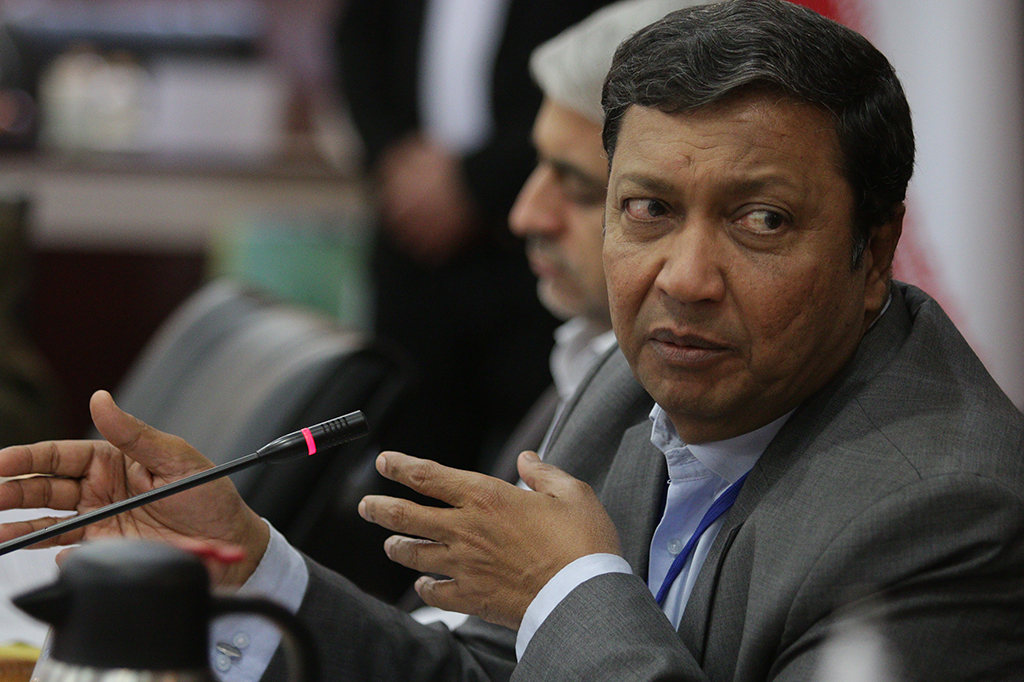
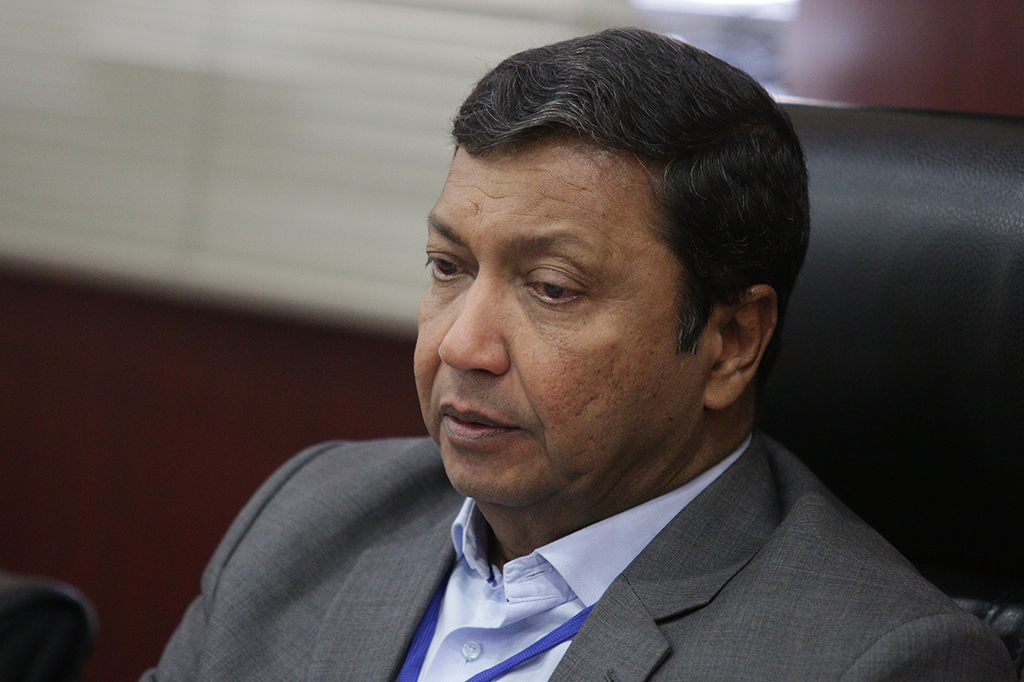
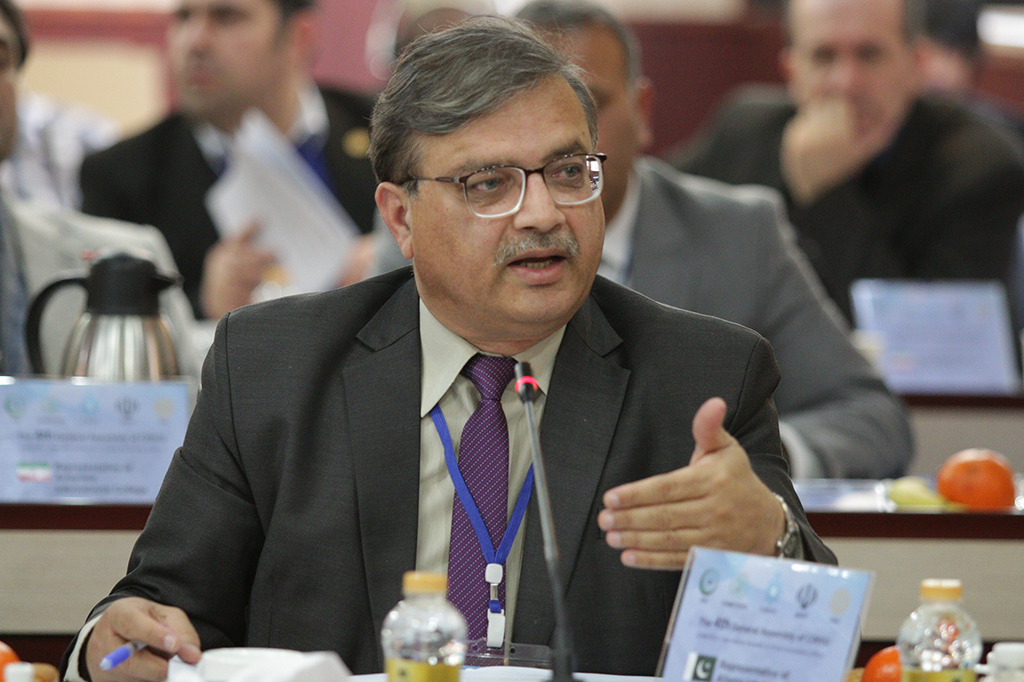
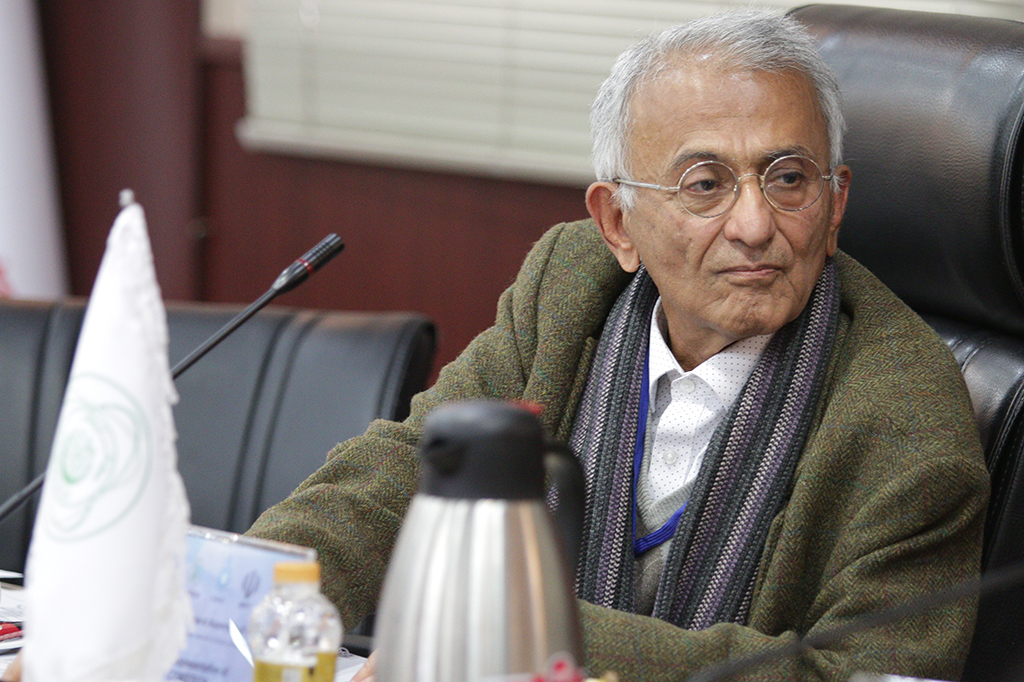
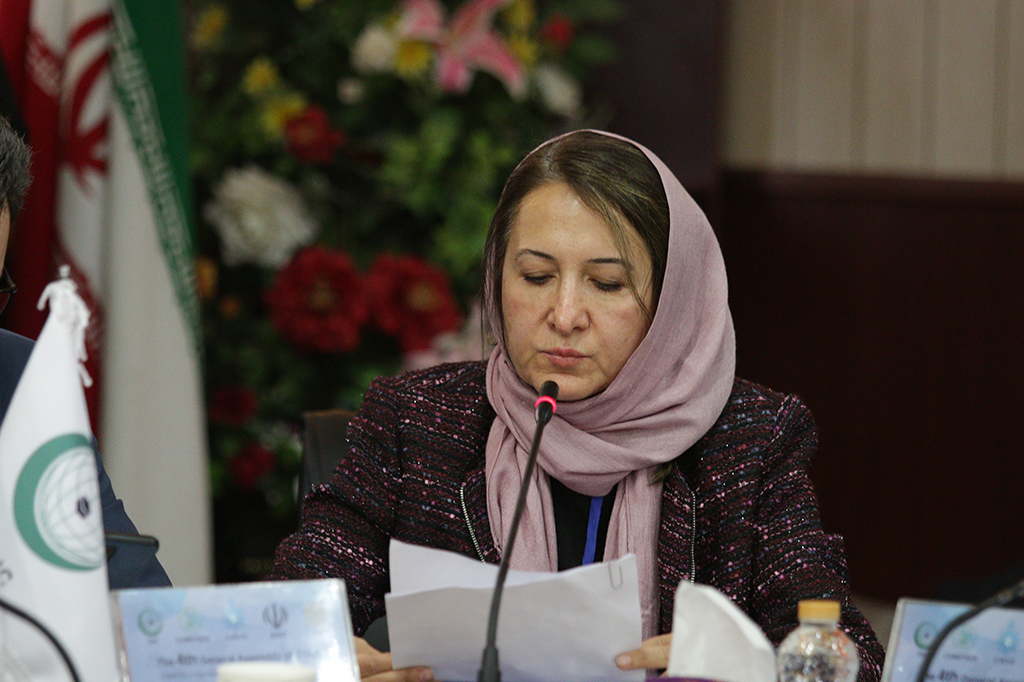
The Fourth General Assembly of CINVU was held with the participation of presidents and representatives of universities and higher education institutions of Islamic countries, during which several key programs were approved. The planning and organization of this international event were carried out by the efforts of the Islamic Strategic Management Institute in collaboration with the CINVU Secretariat and Payame Noor University of Iran.
According to the ISMI Public Relations Report, at the beginning of this event, a report on CINVU's programs from 2022-2024 and the processes of cooperation with universities was presented by the Secretary General of CINVU, the Strategic Executive Deputy, and the Head of the Permanent Secretariat of CINVU. Subsequently, the former chairman of the CINVU Executive Committee also provided a report on the committee's collaborations and partnerships to the participants.
As part of the General Assembly program, discussions took place regarding the agenda of the new CINVU Executive Committee, particularly the selection of members and the chairman of the fourth Executive Committee for the 2025-2027 term. The COMSTECH Coordinator-General stated that if all member countries were satisfied with the approach of the proposed committee, its members could remain in these positions for another term. Additionally, new interested participants could be accepted as observer countries. The participants accepted this proposal, and Allama Iqbal Open University of Pakistan was elected as the new chairman of the Executive Committee.
Furthermore, Asia e University of Malaysia, Najaf University, Virtual University of Gabon, Anadolu University of Türkiye, Payame Noor University of Iran, Terbuka University of Indonesia, COMSTECH, and the Secretary General of CINVU also became members of the Executive Committee. Additionally, Smart Medical University of Iran, Bangladesh Open University, AJA University of Command and Staff University of Iran, Kuwait University, and Islamic University in Uganda formed the observer members of the CINVU Executive Committee.
Other programs of this General Assembly included the review and approval of the proposed two-year program and the 2025-2027 budget of CINVU and its members, which include methods for project financing, revenue generation, value creation for member universities, and support for underprivileged universities.
In another part of this event, Science and Industry University took on the hosting of the first Artificial Intelligence Olympiad, and Payame Noor University took on the hosting of the first Sports Olympiad of the Universities of the Islamic World. Additionally, universities, in support of students from underprivileged areas, approved the provision of fellowships to Palestinian and Afghan students.
Continuing the discussions, programs such as the establishment of the first international smart university (SuperUniversity), the executive framework for CINVU Evaluation and Accreditation of Quality in Education Services (CEAQUALES) and CINVU Evaluation and Accreditation of Teachers’ Quality in Education Services (CEATQUALES), the executive program for utilizing the capabilities of the CINVU Plus academic super-application, mechanisms for creating CINVU electronic journals in collaboration with universities and the Islamic World Science Citation Center (ISC), and the utilization of the capacities of medical and non-medical associations and knowledge-based companies for scientific and technological production were approved.
At the end of this event, with the approval of all the programs presented on the agenda, the members expressed hope that the outcome of these programs would not only strengthen educational and research cooperation in the Islamic world but also bring about significant transformations in the future of Islamic countries.
Notably, the Islamic Strategic Management Institute (ISMI), founded in 2017 in Iran, is a leading international institute in the field of utilizing knowledge, technology, and innovation to advance empowerment in the Islamic world. The Institute, in collaboration with a group of elites and through the use of intelligent infrastructures, constantly strives, by structuring, guiding, and managing intellectually and operationally, to create the conditions for the dynamism of existing capacities in order to achieve the benchmarks of growth and progress.
Photo Gallery